Every day I juggle several projects: work, home, my blog, and my health.
Five years ago, I was diagnosed with PCOS. Since then, my health has been a roller coaster, ending with being overweight and constantly feeling like I never had enough time to take care of myself.
This year, I decided that my health had to become a priority. But every evening I found myself saying the same thing:
“I’ll go for a walk tomorrow.”
“I’ll cook something healthy tomorrow.”
“I’ll work out tomorrow.”
Tomorrow never came.
As an Android engineer, my days are filled with debugging, Gradle builds, feature development, and the occasional late-evening release. I blamed my workload for everything until I started paying attention to how I actually spent my day.
Then I realized something.
It wasn’t my workload.
It was context switching.

What Is Context Switching?
If you’re a developer, you’ve probably experienced this.
You start a Gradle build.
Since Gradle isn’t exactly known for being fast, you think:
“I’ll just answer a few emails while I’m waiting.”
Halfway through your inbox, Gradle fails.
You switch back to Android Studio, fix the error, and start another build.
While it’s compiling, Slack starts blinking.
Someone calls you.
A Jira notification appears.
You answer another email.
Gradle finishes.
Now you have absolutely no idea what you were working on five minutes ago.
Sound familiar?
For me, it happened every single day.
By 4 p.m., I had made progress on everything—but finished nothing.
At the end of the day:
- Gradle still failed.
- My work emails weren’t finished.
- My personal emails weren’t finished either.
- I couldn’t remember what the phone call was about.
- My feature was still “almost done.”
And my healthy habits?
I walked my dog because he wouldn’t accept “maybe tomorrow” as an answer.
Exercise?
Cooking?
Maybe tomorrow.

How I Reduced Context Switching
I’m not going to tell you to multitask better.
Because multitasking doesn’t work.
Trust me—I tried. More than once.
Instead, here are a few things that actually made a difference.
My 12-Item To-Do List
This one sounds oddly specific.
Why twelve?
Because I like dividing things into smaller wins.
Twelve can be split into halves, thirds, quarters, or sixths, so during the day I can actually see my progress instead of staring at an endless list.
My list usually looks like this:
- 4 work tasks
- 2 health tasks (training and walking)
- 4 home tasks
- 2 emergency tasks
It keeps my day realistic instead of overwhelming.
Time Windows Instead of Constant Switching
I divide my workday into two main focus blocks.
Morning (4 hours) is for code reviews, feature development, debugging, and anything that requires deep focus.
Afternoon (2 hours) is for emails, documentation, meetings, and less demanding work.
About an hour before finishing work, I prepare tomorrow’s to-do list, review GitLab changes, and answer any remaining messages.
I don’t keep checking emails every five minutes.
Instead, I quickly review messages once every hour in case something is genuinely urgent.
Most of the time, it isn’t.

Habit Stacking Actually Works
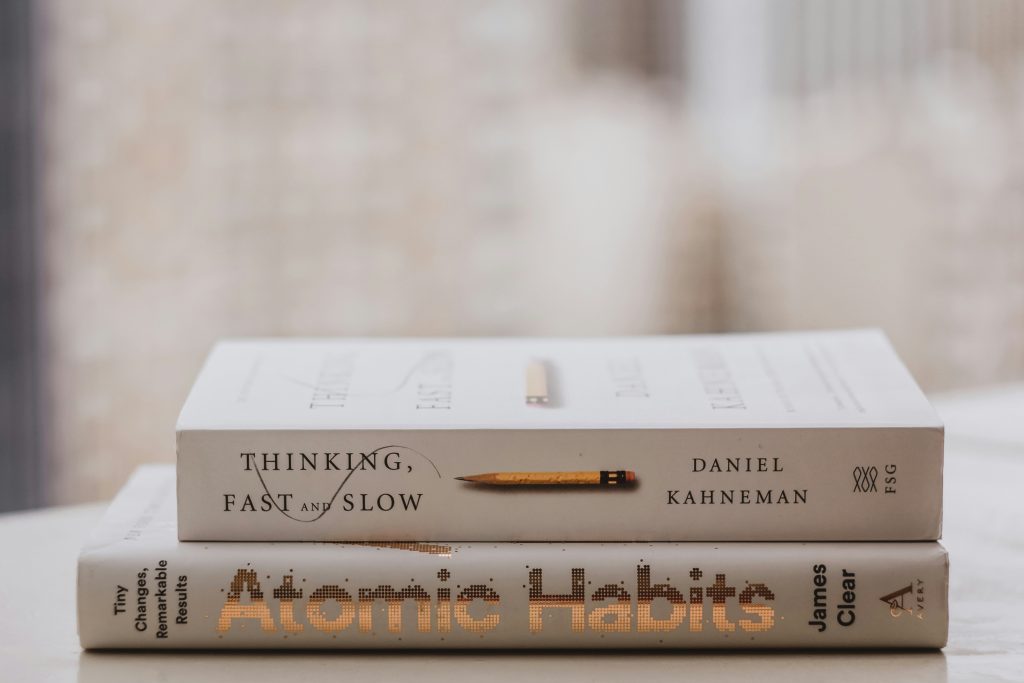
I read Atomic Habits about five years ago.
Apparently, I remembered more than I thought.
As soon as I close my laptop, I immediately do my back physio exercises followed by a workout. No thinking involved.
I usually use the Fitify app because I like its full-body strength workouts.
After training, I read a few chapters of a detective novel (yes, I’m obsessed with crime stories), walk my dog, prepare dinner, and do a bit of meal prep for the next day.
The result?
I’ve lost 6 kilograms so far.
More importantly, I finally stopped telling myself that I “didn’t have time.”
Do Not Disturb Is My Best Friend
I use Do Not Disturb mode a lot.
No notifications.
No social media.
No random messages.
If I’m writing a blog post, I’m writing.
If I’m building a feature, I’m coding.
Nothing else.
It’s surprisingly difficult at first, but after a few days your brain starts enjoying uninterrupted work again.

Conclusion
Multitasking became popular years ago, yet many of us still believe we’re good at it.
We’re not.
If you try to focus on 100 things in one day, you’ll probably finish none of them.
But if you intentionally limit your focus, you’ll be surprised how much you can actually accomplish.
For me, reducing context switching didn’t just improve my code.
It also helped me build healthier habits, lose weight, and finally stop postponing everything until “tomorrow.”
And if you’re trying to build habits that repeat every day—whether it’s working out, taking vitamins, drinking enough water, or simply remembering to make tea—I highly recommend using a habit tracker.
Sometimes the smallest checkmark is enough to keep you moving forward.








Leave a Reply